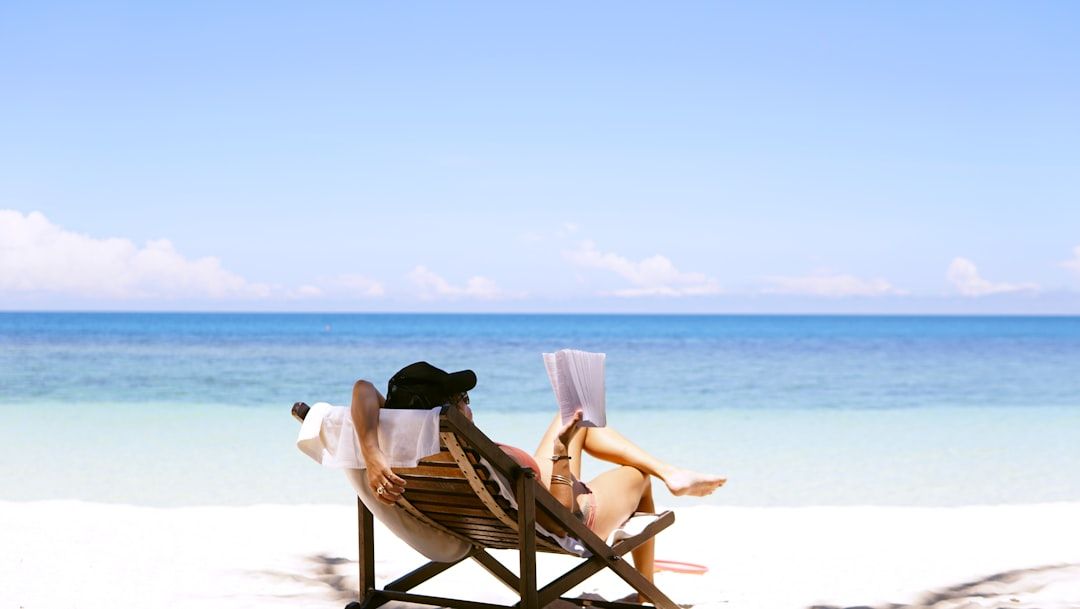
The hardest part of solo travel is unstructured time in an unfamiliar place. The easiest solo trips are the ones where something else supplies both the schedule and the company.
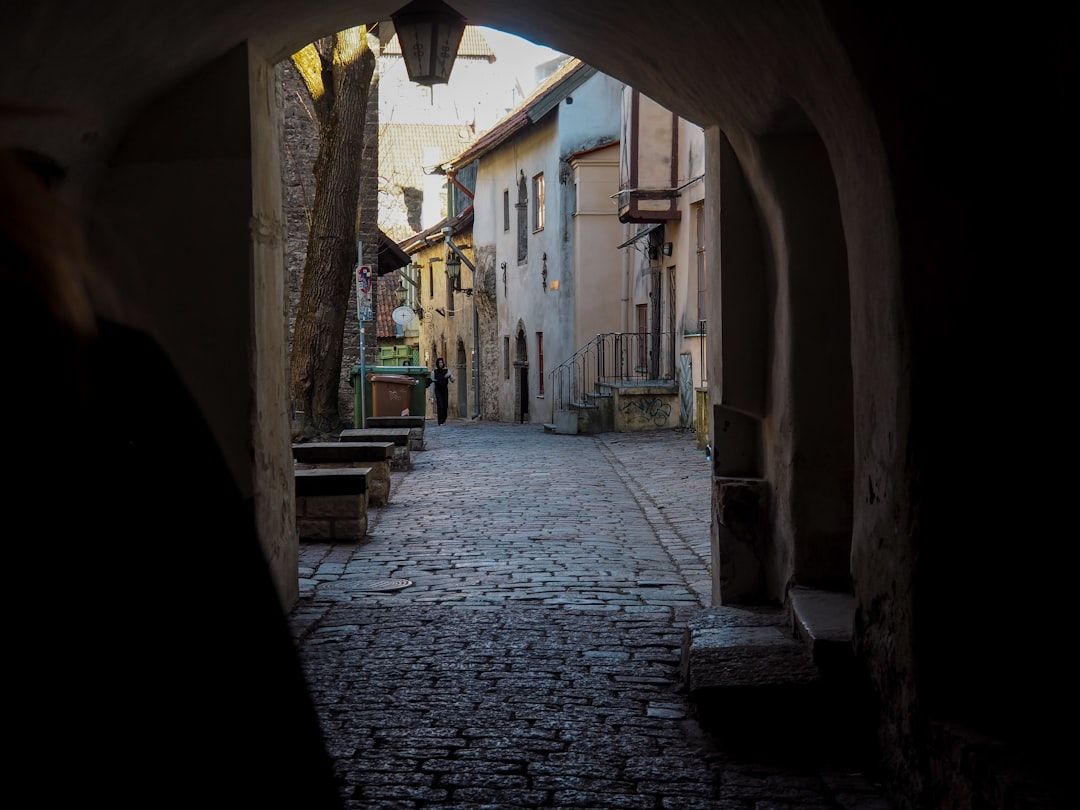
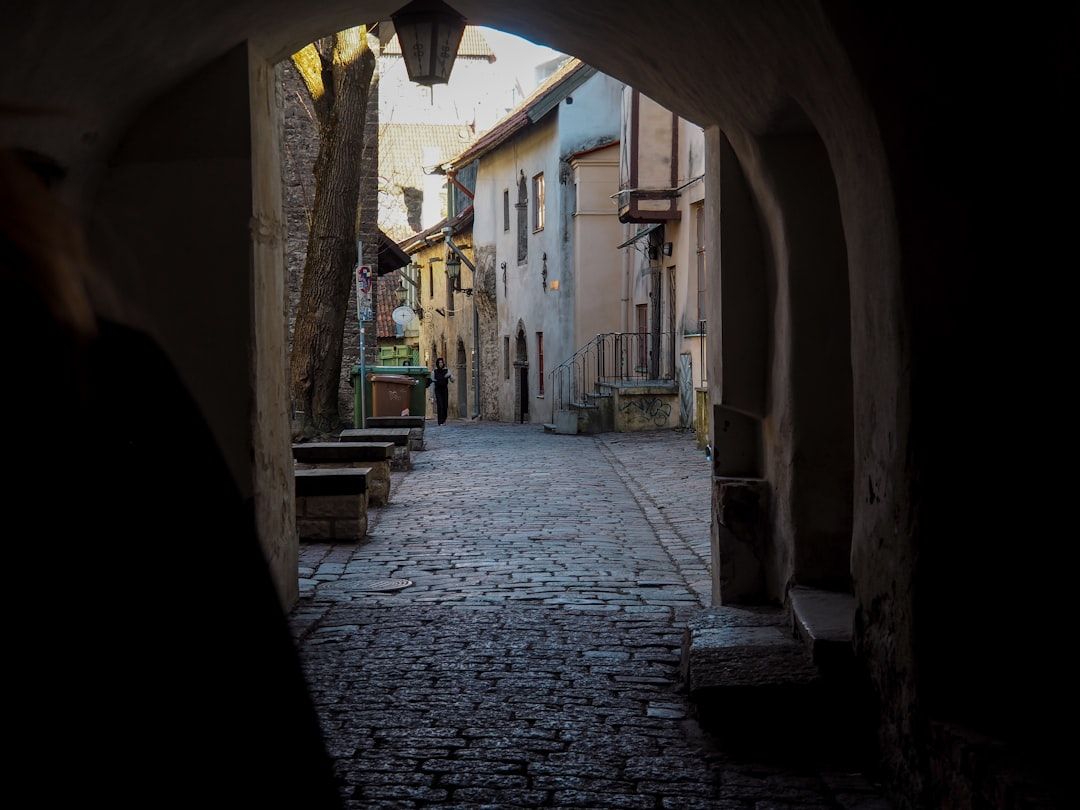
Courses
Language schools — a daily structure, a cohort in the same situation, and a school that organises evenings.
Intensive courses of around twenty hours a week run €150–300 in Europe and considerably less in Latin America and Southeast Asia.
Cooking courses — Oaxaca, Chiang Mai, Bologna, Hoi An, Fez — which teach you the market as much as the recipes.
Craft courses — ceramics, weaving, woodwork — which put you among local makers.
All of them solve the two solo problems at once.
Walking routes
The format that works best of all, because everyone moves in the same direction at roughly the same pace and stops at the same places.
The Camino de Santiago — the most socially reliable thing you can do alone in Europe. The albergue system, the shared direction, and the same faces every evening.
The Tour du Mont Blanc and the Alta Via routes, hut to hut, dormitory-based and priced per person.
The Rota Vicentina in Portugal, the Kumano Kodo in Japan.
Huts and albergues are per person, which also removes the accommodation penalty entirely.
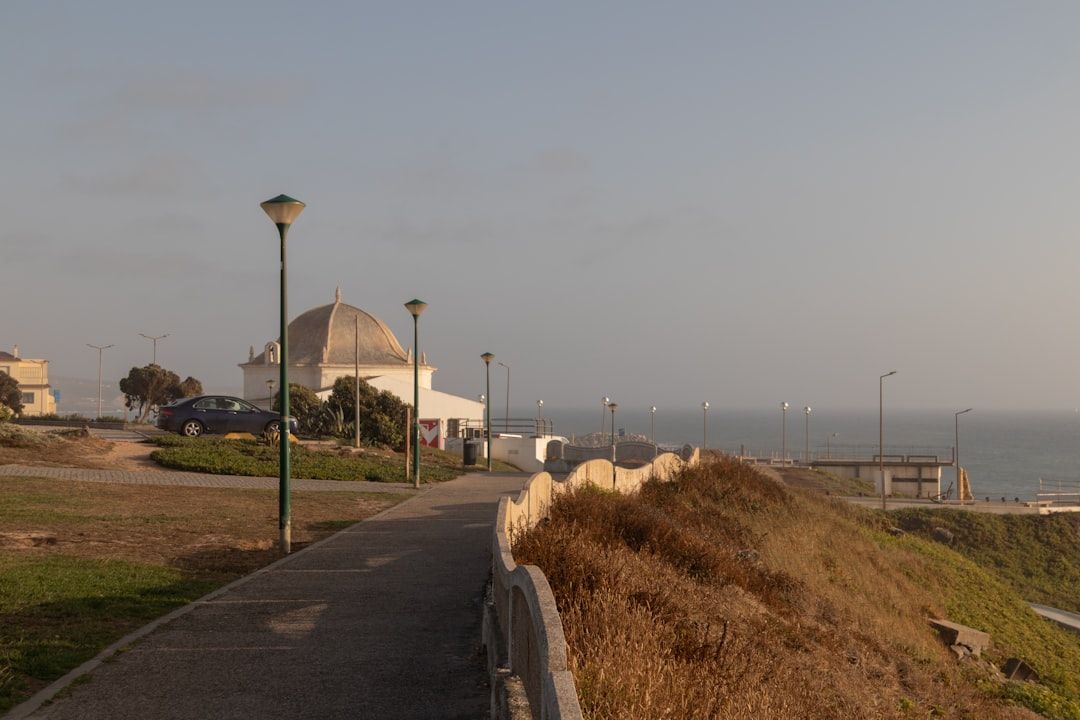
Surf camps
Among the most reliably social formats in travel.
Everyone arrives alone, shares accommodation and meals, and spends the days doing the same thing badly — which removes the awkwardness completely.
Ericeira and Peniche in Portugal, Taghazout in Morocco, Canggu in Bali, Santa Teresa in Costa Rica.
A week is the standard unit and no experience is needed.
Sailing
Flotilla holidays and cabin charters place solo travellers on crewed boats with others.
Sailing courses take individual bookings and run a week at a time.
Close quarters for a week produces friendships faster than almost any other format, which is either the appeal or the warning depending on temperament.
Croatia, Greece and the Caribbean are the established regions.
Diving
An open water course is four days with the same small group, learning something demanding together.
Koh Tao in Thailand and Utila in Honduras are among the cheapest places in the world to certify.
Choose on instructor ratio and equipment condition rather than price.
Volunteering, with a caveat
It works when the organisation genuinely needs the work and you stay long enough to be useful.
Short commercial placements frequently create work for local staff rather than reducing it, particularly in schools and orphanages where the harm is well documented.
Ask what happens when you leave and who does this work otherwise.
Conservation and trail-building projects with established organisations are the more straightforward version.
Group tours, honestly
Small-group tours solve the problem and cost more, with the single supplement adding 30–100%.
Look for operators who waive it on selected departures, offer roommate matching, or run dedicated solo departures. Ask directly rather than assuming the listed price is fixed.
The common thread
Each of these removes the two things that make solo travel hard: deciding what to do, and having nobody to do it with.
A first solo trip built around one of them is considerably easier than one built around a city and an empty schedule.