
Tulum is two entirely separate places, and choosing the wrong one alone means paying a great deal to be isolated on a road.
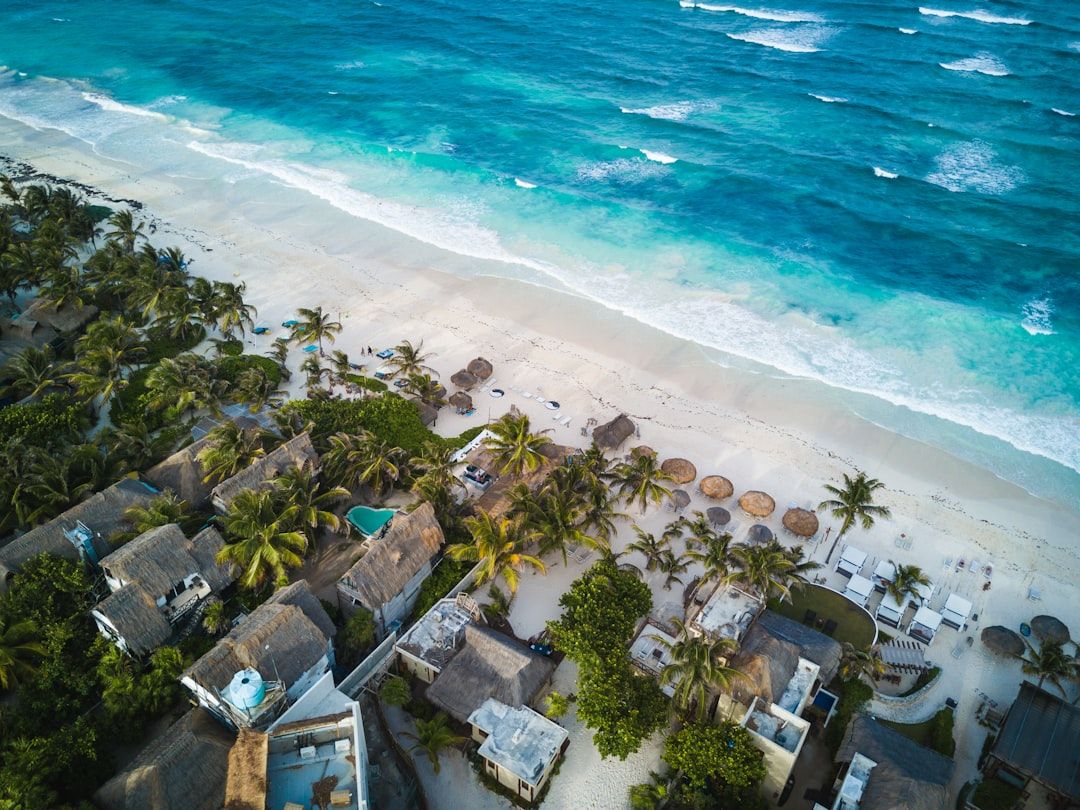
Town or beach road
The beach road is a strip of expensive hotels running several kilometres along the coast, with limited infrastructure and, in places, no mains power or water connection.
It is designed for people who arrive by transfer and stay put. Alone, it is expensive and quiet in the wrong way.
Tulum town, a few kilometres inland, has hostels, cheap local restaurants, colectivo connections and actual streets.
Stay in the town. Cycle to the beach, which is a flat five-kilometre ride and takes twenty minutes.
Getting around
Colectivos — shared minivans running along the highway to Playa del Carmen and to the cenotes, stopping wherever you ask, for a few dollars.
This is how everyone who lives there travels, and it replaces the taxis that are expensive and unmetered.
Bicycles, rented by the day, for the town-to-beach run and the ruins.
ADO buses for the longer routes to Valladolid, Mérida and Cancún.
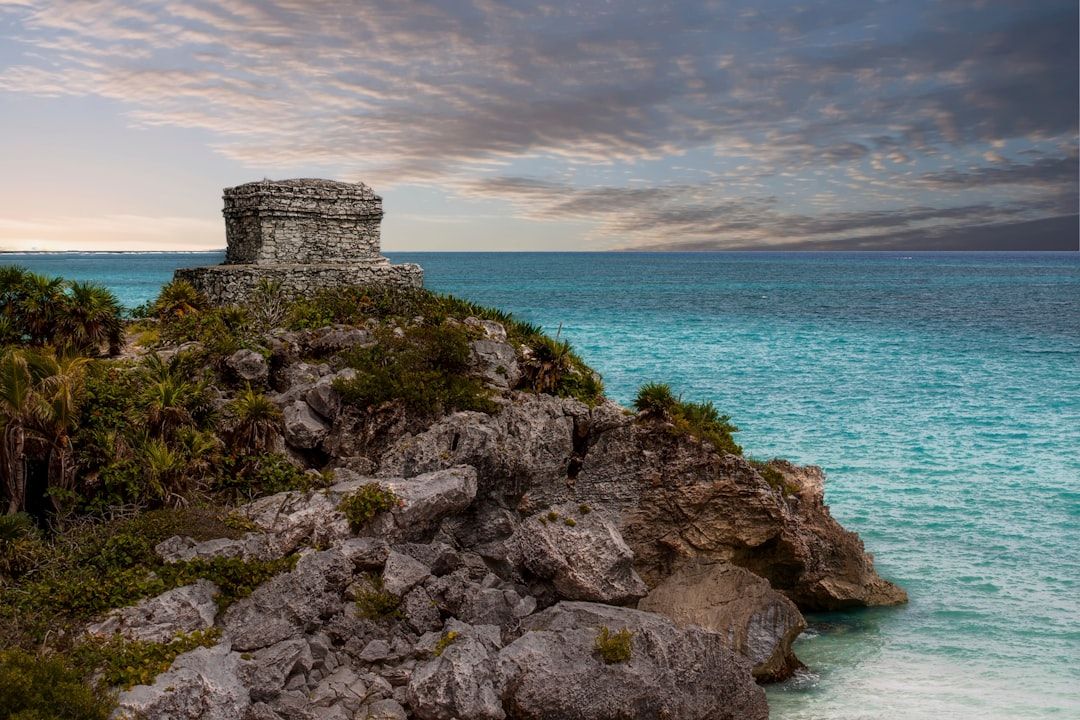
The ruins
Go at opening.
The site is small and sits directly above the sea, which is what makes it distinctive — it is the only major Maya site on the coast.
It becomes uncomfortably crowded within a couple of hours of opening, as coach parties arrive from Cancún and Playa del Carmen.
Cycling there from the town gets you in before them.
The cenotes
The ones on the main highway near Tulum charge substantially.
The smaller ones inland, toward Valladolid and Cobá, cost a few dollars and are frequently better — quieter, less developed, and often reached down a dirt track.
Take a colectivo inland or cycle, and bring cash, since village-run cenotes do not take cards.
Rinse off sunscreen before entering; most require it and it genuinely damages the water.
Beyond Tulum
Cobá, 45 minutes inland — a larger site in jungle, with cenotes nearby.
Valladolid, an hour and a half — a colonial town with a cenote in the middle of it, far cheaper than the coast, and the better base for Chichén Itzá.
Sian Ka'an biosphere reserve, south, reached by boat trips from Muyil.
Akumal, north, for turtles — with the caveat that the site has introduced restrictions on numbers and guides after years of overcrowding, which is worth checking.
What it costs
| Item | Cost |
|---|---|
| Hostel dorm, town | $15–25 |
| Beach road hotel | $150–400+ |
| Local restaurant meal | $5–9 |
| Beach road restaurant | $25–50 |
| Bicycle, daily | $8–12 |
| Inland cenote | $3–8 |
The gap between the two Tulums is the whole budget question.
Practical
The beach road has heavy traffic and no pavement in stretches; cycling it requires attention.
Sargassum seaweed affects the Caribbean coast seasonally, typically worst around spring and summer, and it varies year to year.
Cash for cenotes, colectivos and small restaurants.
December to April is the dry season.