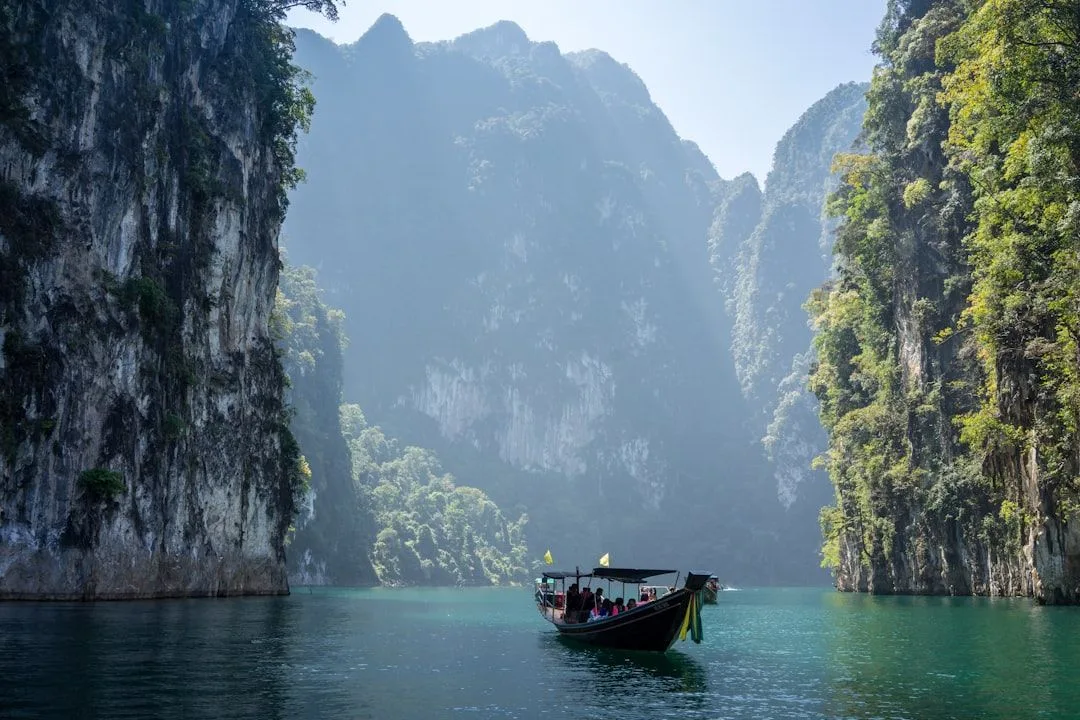
Mexico is nearly four times the size of Germany and its regions share little beyond a language. A solo trip works best committed to one of them.
The three that work alone
The Yucatán — the easiest. Mérida as a base rather than the resort corridor: a real colonial city, cheap, safe, with free concerts in the squares most evenings.
Chichén Itzá at opening before the coaches, Uxmal and Ek Balam which are quieter and to many better, cenotes inland at a few dollars each, and Valladolid as a smaller base with a cenote in the middle of it.
Oaxaca — the food and craft capital. Markets, mezcal, mole, Monte Albán above the valley, and craft villages within an hour. Warm without the Yucatán's humidity, and the best place in Mexico to take a cooking or language course.
The central highlands — Mexico City, Guanajuato, San Miguel de Allende, Querétaro. Colonial cities at altitude, cool, connected by good buses.
Getting around
First-class buses — ADO and similar — are comfortable, safe and extensive, with assigned seats and air conditioning, on good roads.
They are the standard way independent travellers move and cost a fraction of flying.
Colectivos — shared minivans on fixed routes — for shorter hops, at a few dollars.
Domestic flights are cheap for the long distances, though within one region you rarely need them.
What a solo trip costs
| Item | Cost |
|---|---|
| Hostel dorm | $12–22 |
| Hostel private / guesthouse | $30–55 |
| Comida corrida lunch | $4–6 |
| Tacos, street | $0.70–1.50 each |
| ADO bus, medium leg | $15–30 |
Comida corrida — the fixed-price set lunch of soup, a main and a drink — is the daily cost lever.
Safety
Varies enormously by state rather than nationally, and the difference between states is larger than the difference between many countries.
Consult your government's state-by-state advisory rather than treating Mexico as one risk level.
The three regions above are generally regarded as lower risk. Within them, normal urban precautions apply: ride-hailing at night, valuables out of sight, and local advice on specific neighbourhoods.
Meeting people
Hostels are plentiful in Mérida, Oaxaca, Mexico City and San Cristóbal.
Language schools — cheap, and the classes themselves are social. Two weeks changes the whole trip.
Cooking classes in Oaxaca, which include the market.
Free walking tours in the main cities.
Practical
Tourist entry has historically been up to 180 days, though officers have discretion and shorter periods are now commonly issued. Check the length written on your entry record on arrival.
Drink bottled or filtered water. Ice in established restaurants is made from purified water and is fine.
November to April is the dry season across most of the country.
Day of the Dead in Oaxaca fills accommodation months ahead.