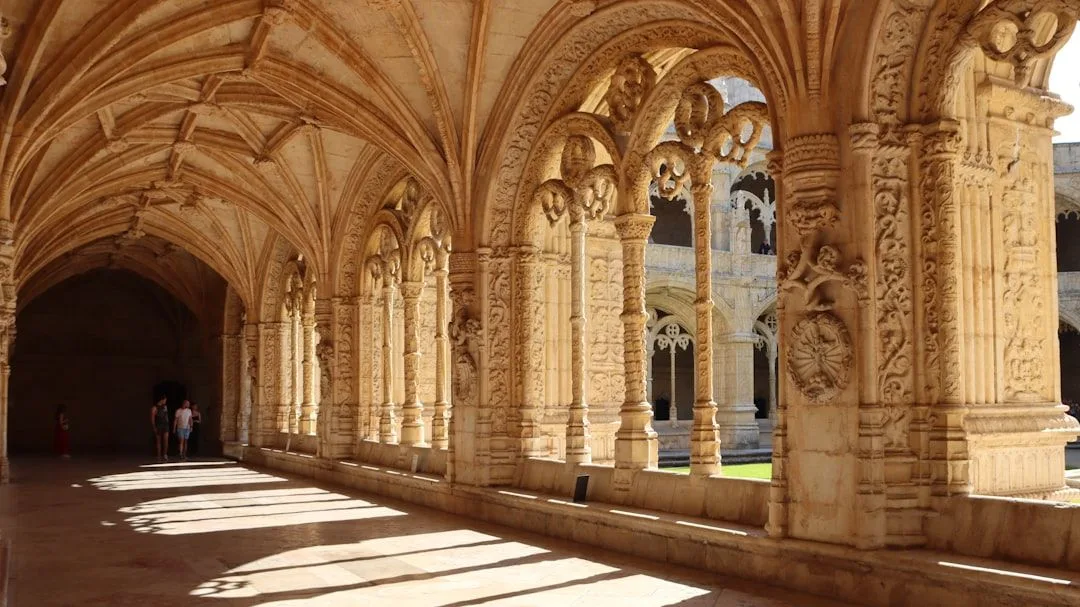
Marrakech is intense in a specific way that catches solo travellers off guard. Knowing what the intensity actually consists of turns it from stressful into interesting.
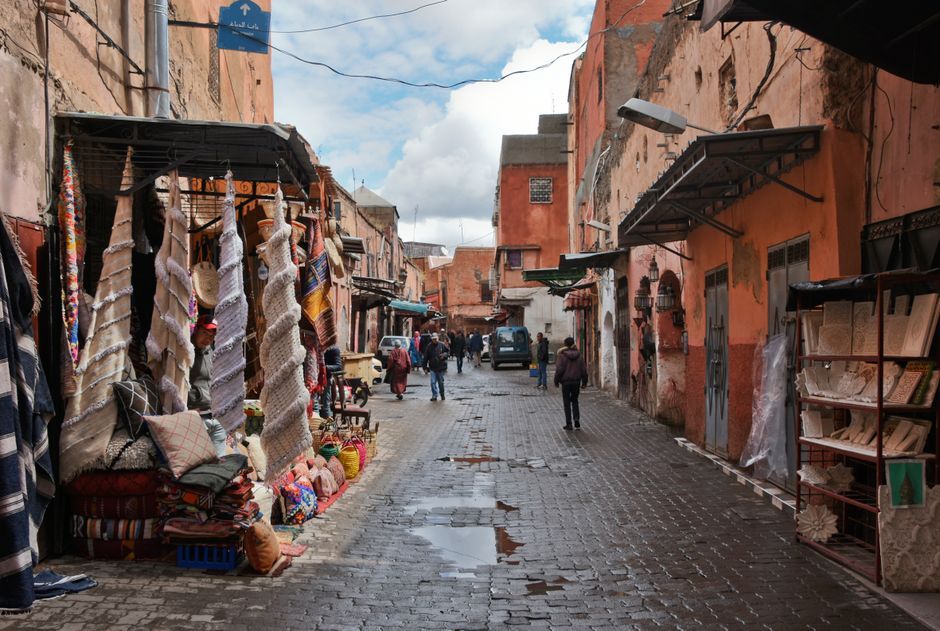
What the hassle actually is
Persistent commercial approaching, concentrated around Jemaa el-Fnaa and in the souks.
Shopkeepers calling you in. People offering to show you the way. Someone telling you the square is closed or that the tannery is this way.
It is verbal and disengageable. A firm la, shukran and continuing to walk handles nearly all of it. Stopping to explain does not work; walking does.
It is a commercial culture rather than a threat, and it eases substantially away from the main tourist arteries.
The directions scam
The one specific thing to know.
Do not follow someone who offers to show you the way.
Unofficial guides offer directions and then demand payment, or lead you to a shop paying commission. Some will tell you a street is closed to redirect you.
If genuinely lost: ask a shopkeeper inside their own shop, or ask a woman, or use an offline map. Official guides carry identification.
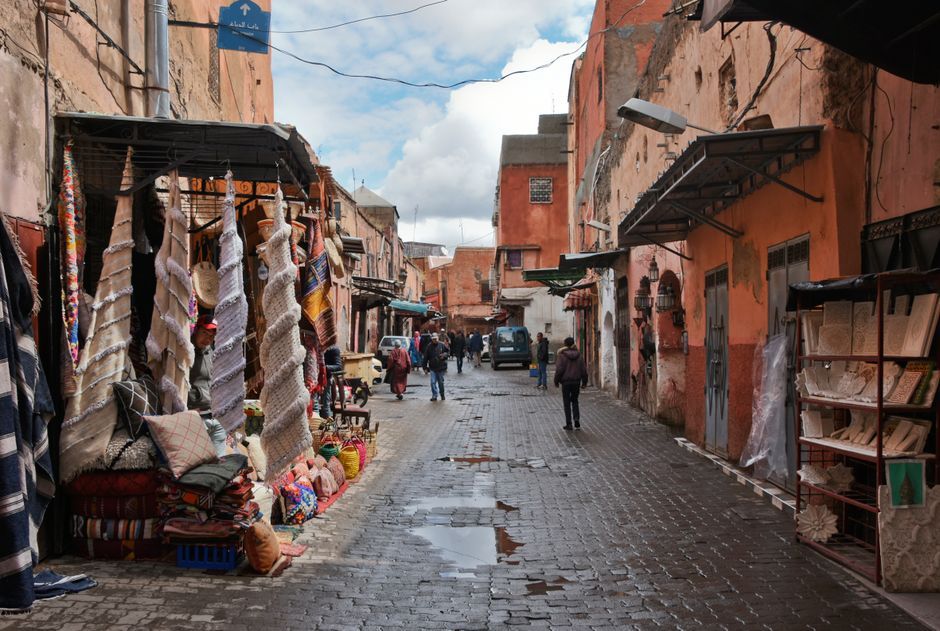
Staying in a riad
A traditional house built around an internal courtyard, many converted to small guesthouses.
Quiet inside despite the medina outside, usually only a handful of rooms, and breakfast on the roof.
Staff will collect you from a taxi drop-off point, which solves the arrival problem — medina lanes are too narrow for cars and finding an unmarked door alone with luggage is genuinely difficult.
Arrange this in advance.
What to see
Jemaa el-Fnaa in the evening, when the food stalls set up and the square fills with musicians and crowds. Busy, chaotic, and the reason people come.
The souks, which are a maze — accept getting lost as the format rather than fighting it.
Bahia Palace and Ben Youssef Madrasa, both ticketed and both worth it.
The Saadian Tombs.
Jardin Majorelle — booked ahead, busy, and the Yves Saint Laurent museum next door.
Le Jardin Secret in the medina, quieter and less known.
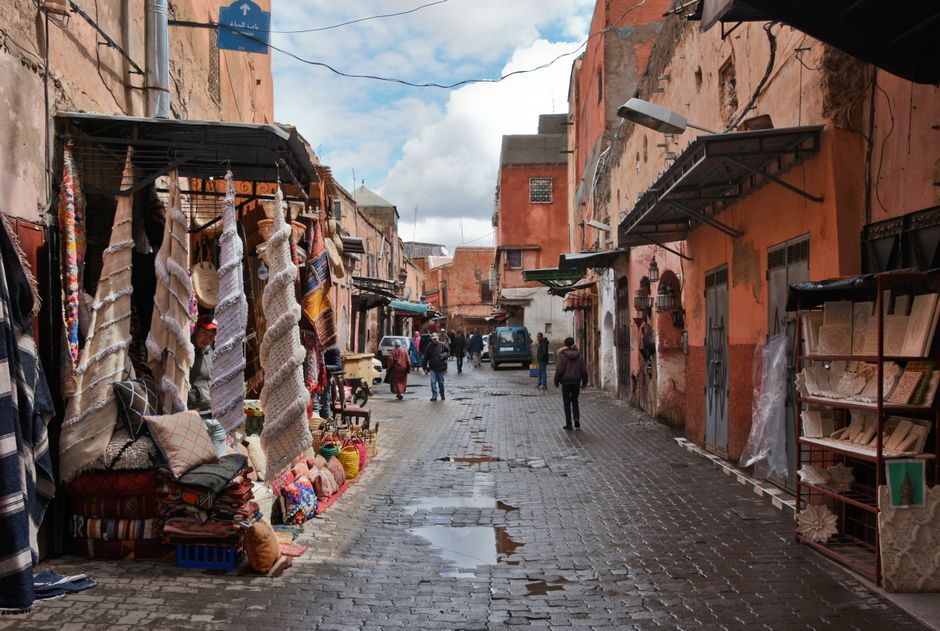
A hammam
Worth doing, and it is a solo activity by nature.
Public neighbourhood hammams cost very little and are segregated by sex, with a local rhythm you follow by watching.
Riad and spa hammams cost considerably more and are gentler for a first time.
Beyond the city
The Atlas Mountains — Imlil is 90 minutes away and is the base for Toubkal and shorter valley walks.
The Ourika valley, closer, for a half day.
Essaouira, three hours on the coast — windy, walled, and considerably more relaxed than Marrakech.
Desert trips to Merzouga are two days each way; the Agafay stony desert is closer and is not sand dunes.
Practical
Dress with shoulders and knees covered, which reduces attention noticeably and is respectful.
Agree taxi fares before getting in, or insist on the meter.
Cash for the medina; cards are limited.
Ramadan changes daytime opening and eating in public; dates move each year.
Spring and autumn. Summer regularly exceeds 40°C.