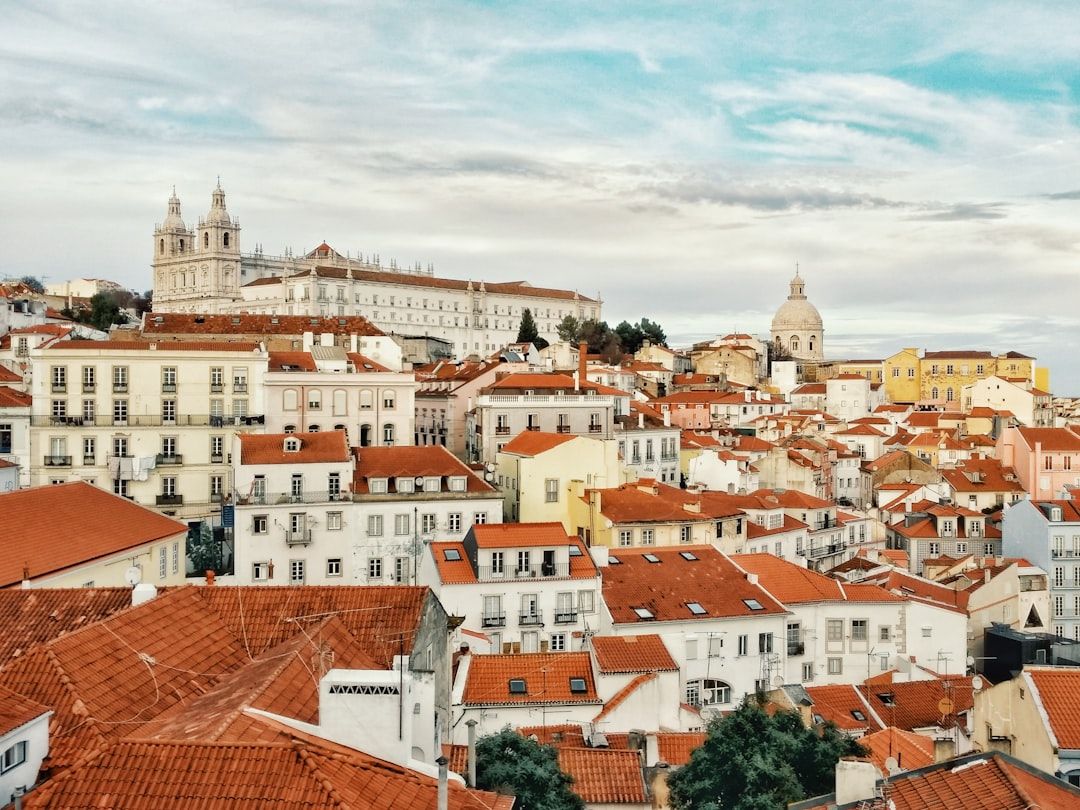
Lisbon suits three days alone: small enough to walk, cheap enough to eat well, and with a hostel culture that removes the social problem entirely.
Day one: Alfama and the viewpoints
Start in Alfama before nine, when it is residential rather than touristed — people going to work, washing on lines, and the lanes empty. This is the single best free hour in the city.
Santa Luzia and Portas do Sol in the morning, facing east over the rooftops.
São Jorge castle, then down through Mouraria, where fado originated.
Afternoon in Baixa and Chiado.
Evening at São Pedro de Alcântara as the light turns, then dinner in Príncipe Real.
Day two: Belém and the river
Tram 15 to Belém — modern, with actual space, unlike the 28.
The monastery, the Coach Museum with its gilded carriages, the tower from outside, and the original pastéis de Belém eaten warm.
Afternoon: the National Tile Museum, which is the one that explains the city, or the Gulbenkian, which is the best collection in Portugal.
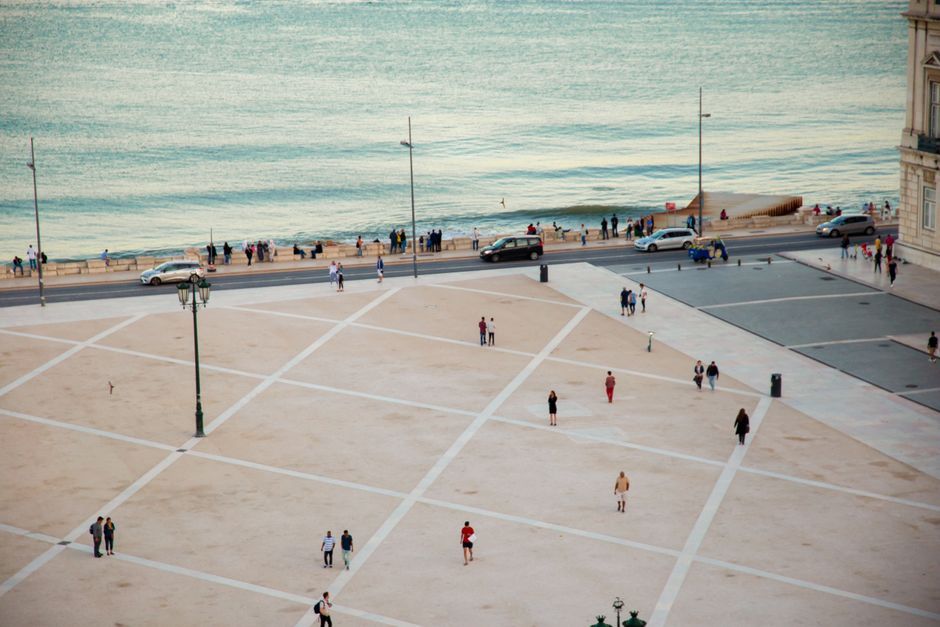
Evening: the ferry to Cacilhas — a normal transport fare, ten minutes, and the best view back at Lisbon. Seafood restaurants along the far waterfront.
Day three: Sintra, or the neighbourhoods
Sintra takes most of a day. Take the first train from Rossio, buy timed tickets in advance, and choose two sites, not four. The Moorish castle walls cost less than Pena and have the better view.
Or stay in Lisbon — Graça, Campo de Ourique, LX Factory under the bridge, and the Feira da Ladra flea market if it is a Tuesday or Saturday.
Where to stay
Baixa or Chiado for flat central ground.
A hostel in either — Portuguese hostels are among the most socially organised in Europe, with communal dinners and organised evenings.
Not Bairro Alto if you want to sleep; it is loud until 3am.
Eating alone
A tasca at lunch — small, plain, full of people eating alone, with the prato do dia at €8–12 including wine.
The couvert — bread and olives brought unasked — is charged if eaten. Refusing it is normal.
Ginjinha at a standing bar, a euro or two, drunk in one.
Time Out Market is convenient and priced for it; the surrounding streets are better.
Meeting people
Free walking tour on the first morning, tip-based, where people frequently continue to lunch.
Hostel communal dinner, which several run nightly at a few euros.
Fado in a small Alfama or Mouraria house, twenty people, minimum spend rather than a ticket, and silence expected during the singing.
Practical
Viva Viagem card covers metro, trams, funiculars and the Elevador de Santa Justa — which many visitors queue for and pay tourist prices at.
Shoes with grip. The calçada paving is genuinely slippery, and a fall is the likeliest injury.
Tram 28 is the main pickpocketing location. Take the 12.