Packing for Italy comes down to three things. Everything else is ordinary travel packing, and the lists that run to forty items are padding.
1. Shoes
The single most consequential choice.
Italian historic centres are paved with sampietrini — small cobbles, uneven and worn smooth, which are slippery in rain and hard underfoot.
A sightseeing day covers twelve to fifteen kilometres.
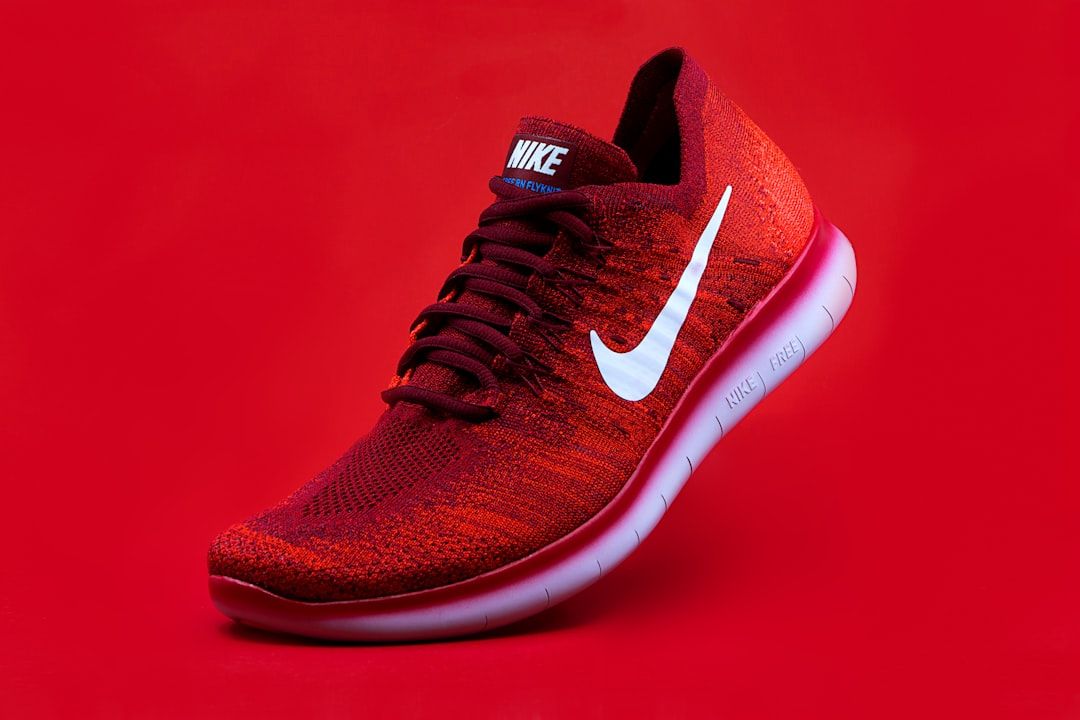
Broken-in shoes with grip and a real sole. New shoes and thin soles are the most common packing mistake, and blisters on day two ruin a short trip.
One comfortable pair and one smarter pair is enough.
2. A layer for churches
Shoulders and knees covered, enforced at St Peter's, the Vatican Museums and major basilicas, where people are turned away daily in summer.
It applies to men as well as women, which surprises people.
A packable scarf or a light long-sleeved layer kept in the day bag solves it entirely, and doubles for air conditioning and evening cool.
Some sites rent coverings at the door, which costs time and money you can avoid.
3. Less luggage than you think
Three reasons specific to Italy:
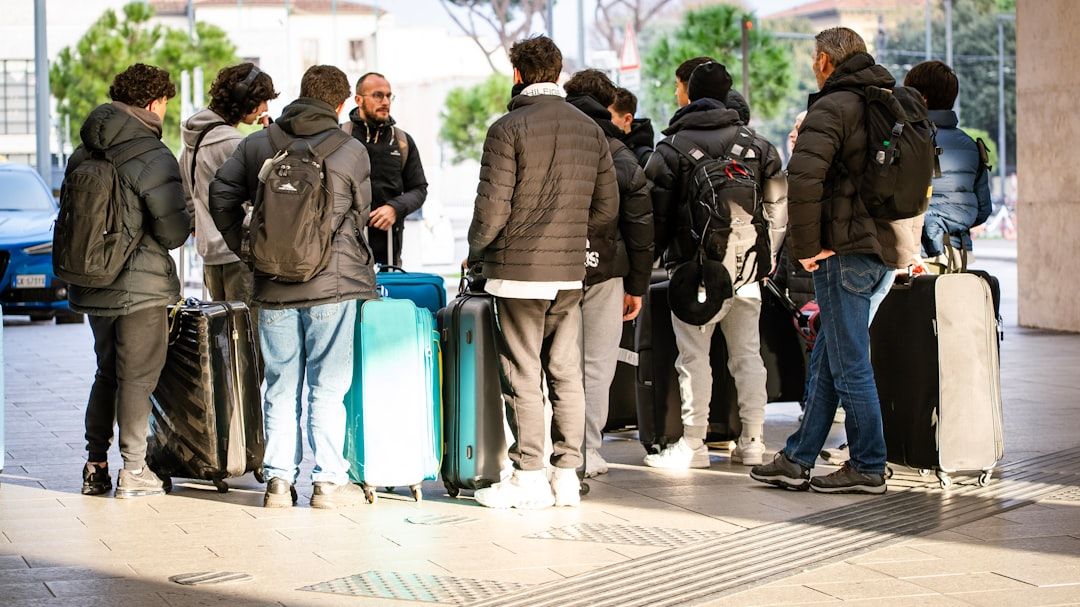
Stations frequently have stairs rather than lifts, and platform changes involve carrying everything up and down.
Historic accommodation often has no lift, and a fourth-floor room in a sixteenth-century building is common.
Cobbles destroy wheeled cases and make them loud enough to be a genuine annoyance in residential streets at night.
The practical test: a bag you can carry up four flights of stairs.
What else is worth having
A refillable water bottle. Italian public fountains run continuously with drinkable water — Rome alone has around 2,500 nasoni, where blocking the spout with a finger sends water jetting upward from a hole on top.
A day bag that closes properly, worn in front in crowds. Pickpocketing is the realistic risk in Rome, Naples and Milan.
A light rain layer, since Italian rain arrives suddenly and heavily.
Sun protection — the Forum, Palatine and Pompeii have no shade at all.
What to leave
Heavy guidebooks, which you will not carry after day one.
A hairdryer, which accommodation provides.
Multiple electronic devices, each of which is a battery to manage.
Formal clothing, unless you have a specific reason. Italians dress with care and looking scruffy is noticed, but one smarter outfit covers dinner and evening walking.
Season adjustments
| Season | Add |
|---|---|
| Summer | Sun hat, extra water capacity |
| Winter | A warm layer — northern Italy is genuinely cold |
| Spring / autumn | Rain layer |
Southern Italian buildings frequently have poor heating, so a winter trip to Sicily can be colder indoors than out.
The document layer
Booking confirmations offline for the timed sites — Colosseum, Vatican, Uffizi, Accademia.
A photo of your passport stored somewhere retrievable.
Cash for small restaurants, markets and church light boxes, which are coin-operated and are how you see the Caravaggios.