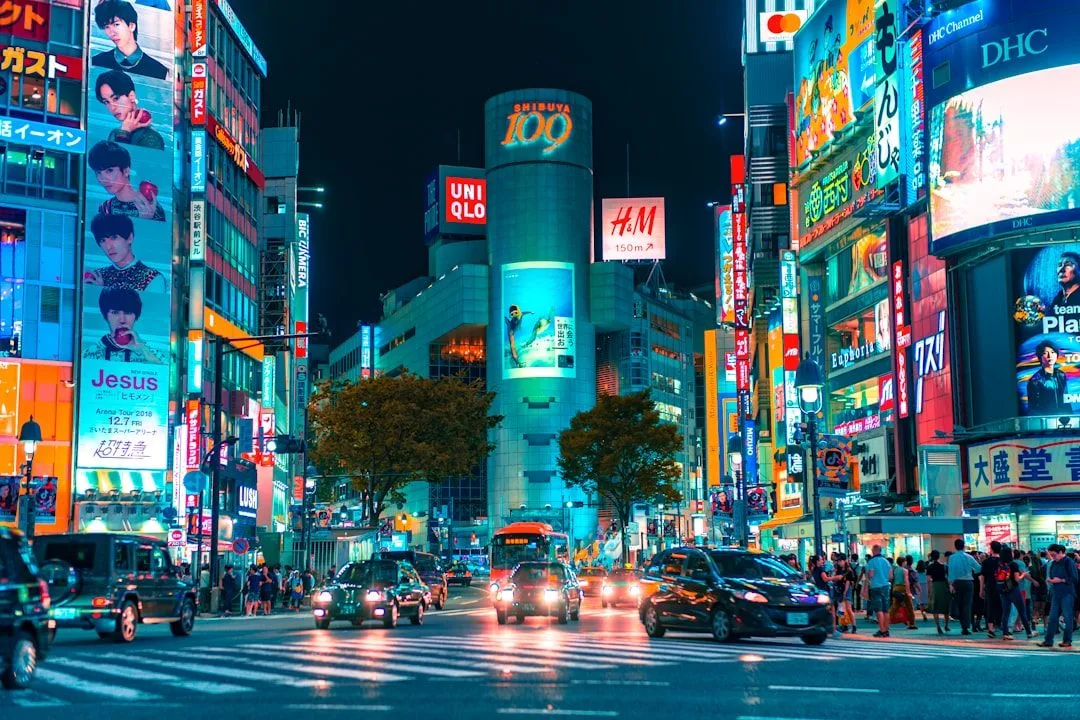
Tokyo is a set of former towns absorbed into a metropolis. Three days works best as three districts rather than a list of sights, because crossing between them costs 20–30 minutes each time.
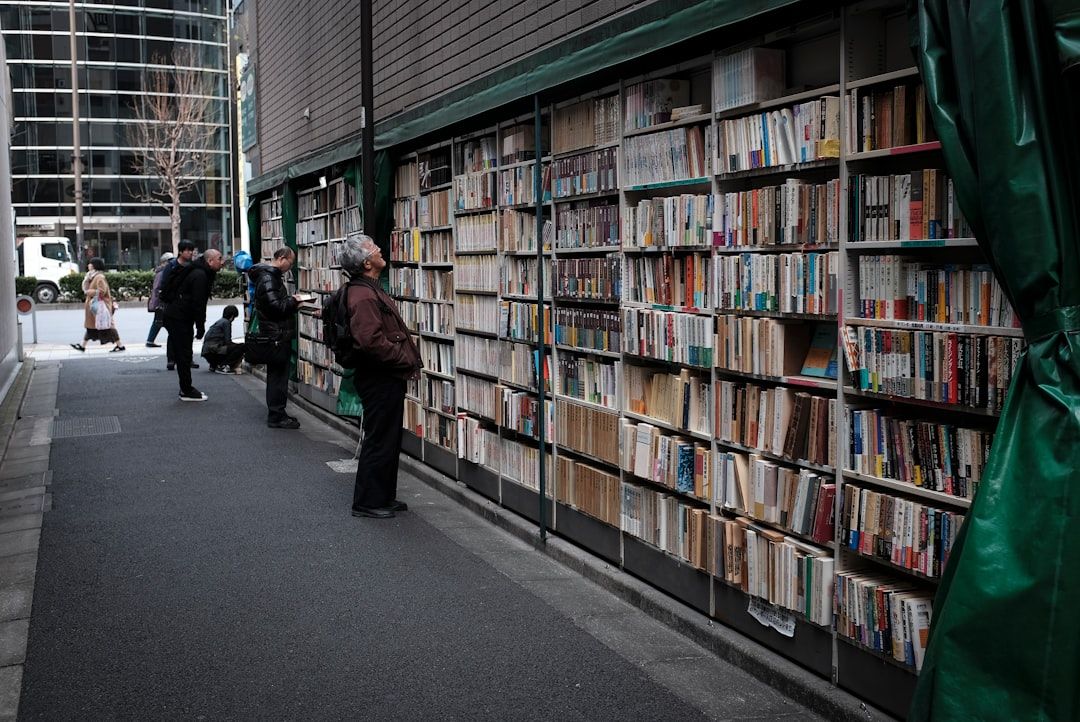
Book two things, maybe
teamLab, which needs a timed slot and is genuinely unlike anything else.
Ghibli Museum, if you can get it — tickets go on sale on a fixed monthly schedule and are gone within minutes.
Nothing else needs advance arrangement.
Day one: the west
Shinjuku — start at the Tokyo Metropolitan Government Building, which has two free observation decks at 202 metres with an excellent view. Fuji is visible on clear days, most reliably in winter.
Shinjuku Gyoen, the garden, as the counterweight to the station.
Harajuku and Omotesando — Takeshita Street at one end and architect-designed flagship stores at the other, with Meiji Shrine and its planted forest between them.
Shibuya in the evening — the crossing is a two-minute sight, best at night in the rain, viewed from the free lower floors of Shibuya Scramble Square.
Dinner at Omoide Yokocho in Shinjuku — grilled skewers under the railway tracks, counter seating, and entirely normal alone.
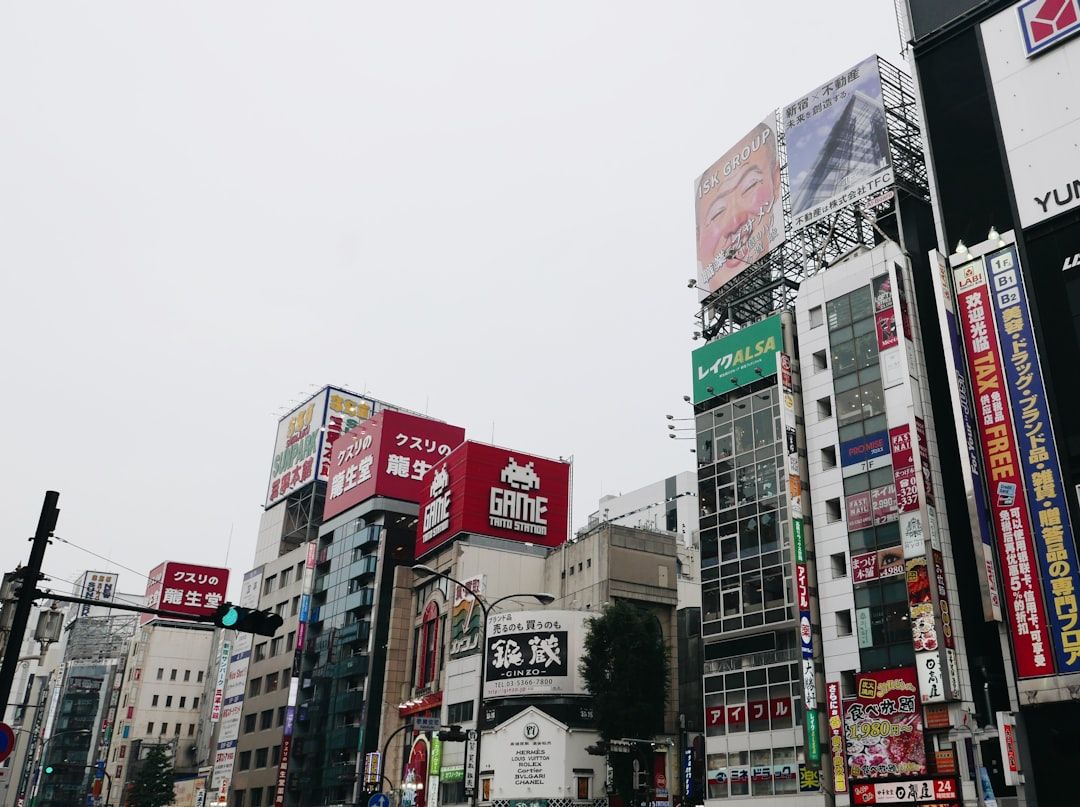
Day two: the east
Asakusa — Senso-ji, the oldest temple in the city, and the Nakamise approach. Early, before the crowds.
Yanaka — pre-war wooden streets that survived both the 1923 earthquake and the wartime bombing. Residential, quiet, and the best walking in Tokyo.
Ueno — the park, and the Tokyo National Museum, which holds the finest collection of Japanese art anywhere and is rarely crowded.
Evening: a depachika — a department store basement food hall, free to walk through, remarkable, and discounting heavily in the final hour before closing.
Day three: teamLab or a day trip
teamLab in the morning if booked, then Shimokitazawa or Nakameguro in the afternoon — vintage shops, small venues, a canal, and no tall buildings.
Or a day trip:
| Destination | Time |
|---|---|
| Kamakura | 1h — Great Buddha, temples, coast |
| Nikkō | 2h — shrines, mountains |
| Kawagoe | 45min — Edo warehouse streets |
Kamakura gives more in a day than most Tokyo attractions give in an afternoon.
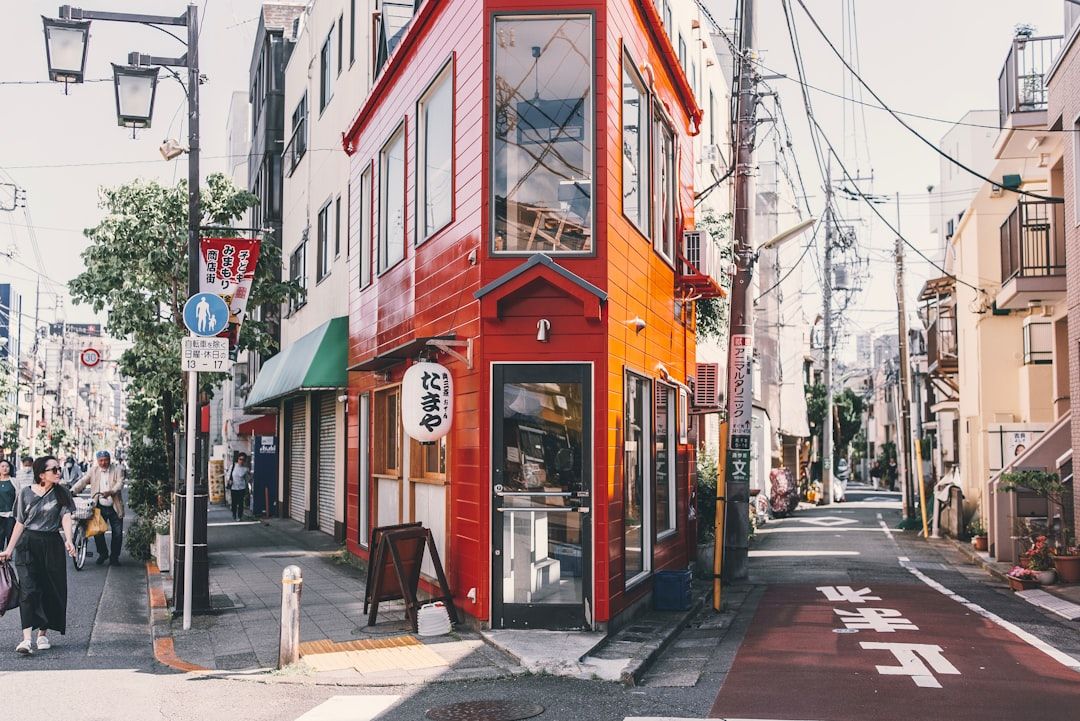
Eating alone
Almost anywhere.
Counter seating is standard. Ticket-machine restaurants require no interaction at all — buy a ticket at the door, hand it over, sit, eat.
Some ramen chains have individual booths with partitions, built precisely so people can eat alone undisturbed.
Standing soba bars near stations for a two-minute lunch.
Practical
Suica or Pasmo IC card for all local transport. No JR Pass for a Tokyo-only trip — it is priced for intercity travel.
Business hotels are built for single occupancy at genuine single prices, near stations, at ¥6,000–12,000.
Last trains around midnight, then nothing until roughly 5am.
Cash at small restaurants and shrines; 7-Eleven ATMs take foreign cards.