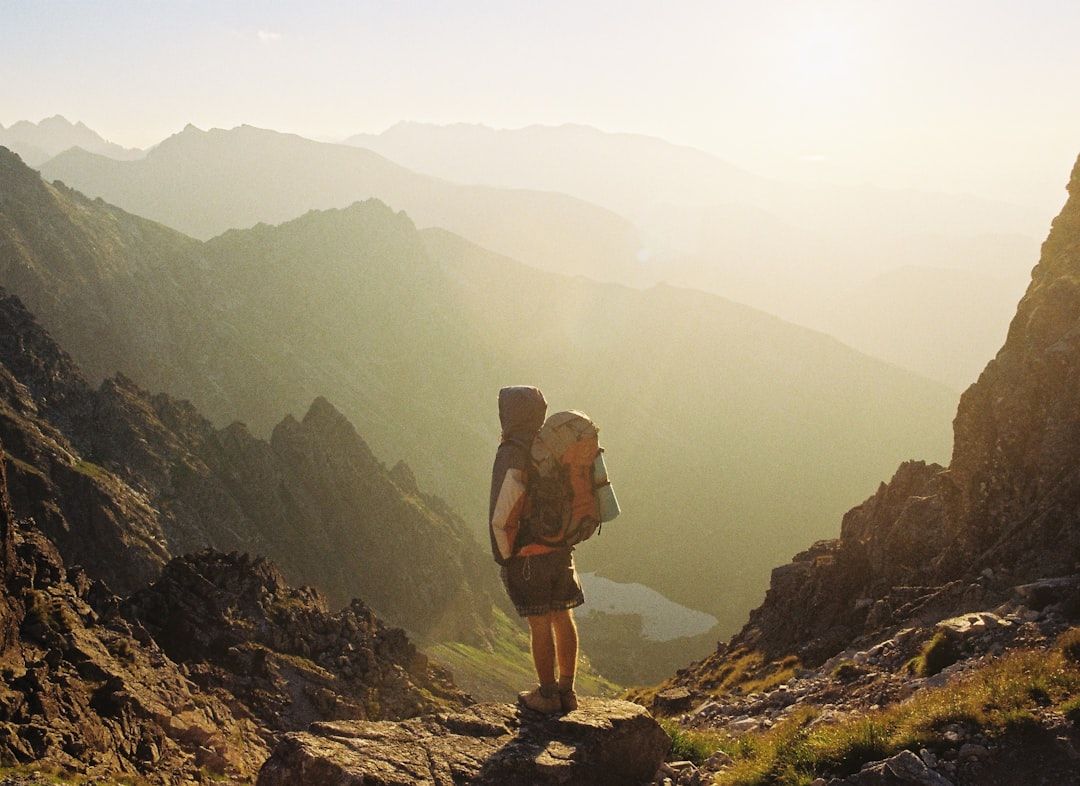
Some adventure activities are entirely reasonable alone. Others are dangerous without a second person, and the distinction is about whether the other person is company or a safety system.
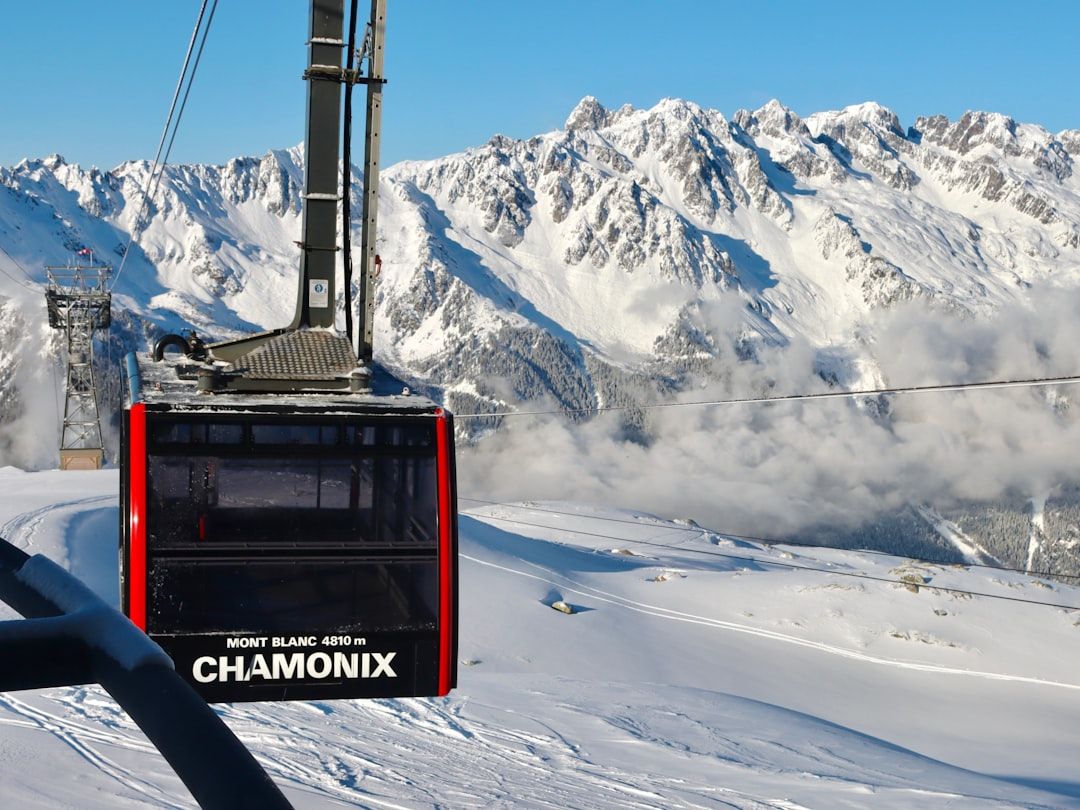
Fine alone
Hut-to-hut walking in the Alps, Dolomites, Pyrenees and Norway. Marked routes, staffed huts, other walkers, and rescue infrastructure.
Day hiking on marked trails, which is done constantly by people alone.
Long-distance waymarked routes — the Camino, the GR network, the UK national trails.
Cycling on roads and established routes.
Sport climbing at a busy crag, where finding a belay partner on arrival is normal.
Surfing at a patrolled beach with others in the water.
Not alone
Glacier travel. Crevasses are not visible from the surface — snow bridges them and they open under weight. A rope team is the safety system, not the company.
Ice caves, which change and collapse.
Remote wilderness routes where rescue is days away.
Anything requiring a rope, by definition.
Diving. The buddy system is the standard for a reason, and solo diving requires specific additional training and redundant equipment. Dive centres will pair you with someone, which is normal.
Backcountry skiing, where avalanche rescue requires a partner with a transceiver, probe and shovel who knows how to use them.
The three things that change when alone
1. An injury has no immediate help. A twisted ankle two hours from a road is an inconvenience with someone and a serious problem alone.
2. Nobody notices you are missing unless you arranged for them to.
3. There is no second judgement on whether to continue, which is when most incidents begin.
What to do about each
Leave your intentions with someone who will raise an alarm — the route, the return time, and what to do if you do not check in. This is what search and rescue works from.
Carry a personal locator beacon on remote routes. They rent cheaply in many mountain regions and transmit your position via satellite where there is no mobile coverage.
Set a turnaround time before starting and keep it regardless of how close the summit is. Most incidents involve people continuing past the point where daylight, weather or energy supported it.
Carry an emergency shelter or bivvy bag. Light, cheap, and the difference between a difficult night and a dangerous one.
The insurance point
Standard travel policies frequently exclude climbing, trekking above a stated altitude, diving beyond a certain depth, off-piste skiing and motorcycling without the correct licence — regardless of whether you are alone.
Read the exclusions rather than the summary. The cost being insured against is a helicopter evacuation, which runs into five figures in most mountain regions.
Where solo adventure works best
Countries with infrastructure that carries some of the risk — the Alps, Norway, New Zealand, Japan.
Hut networks, waymarking to a national standard, and rescue services that function.
Save Patagonia, the Pamirs and remote Andean routes for when the skills are established, and go with someone.