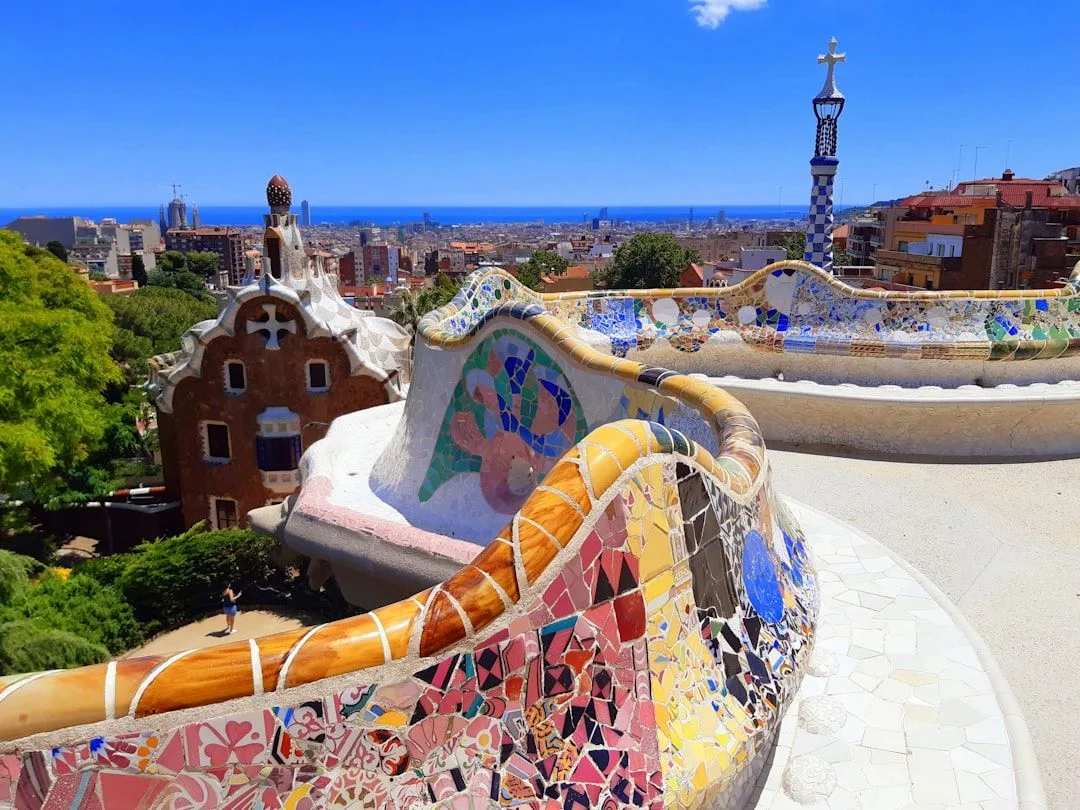
Thirty euros a day in Spain is comfortable inland and impossible on the coast. The gap is mostly accommodation, and one regional custom does the rest.
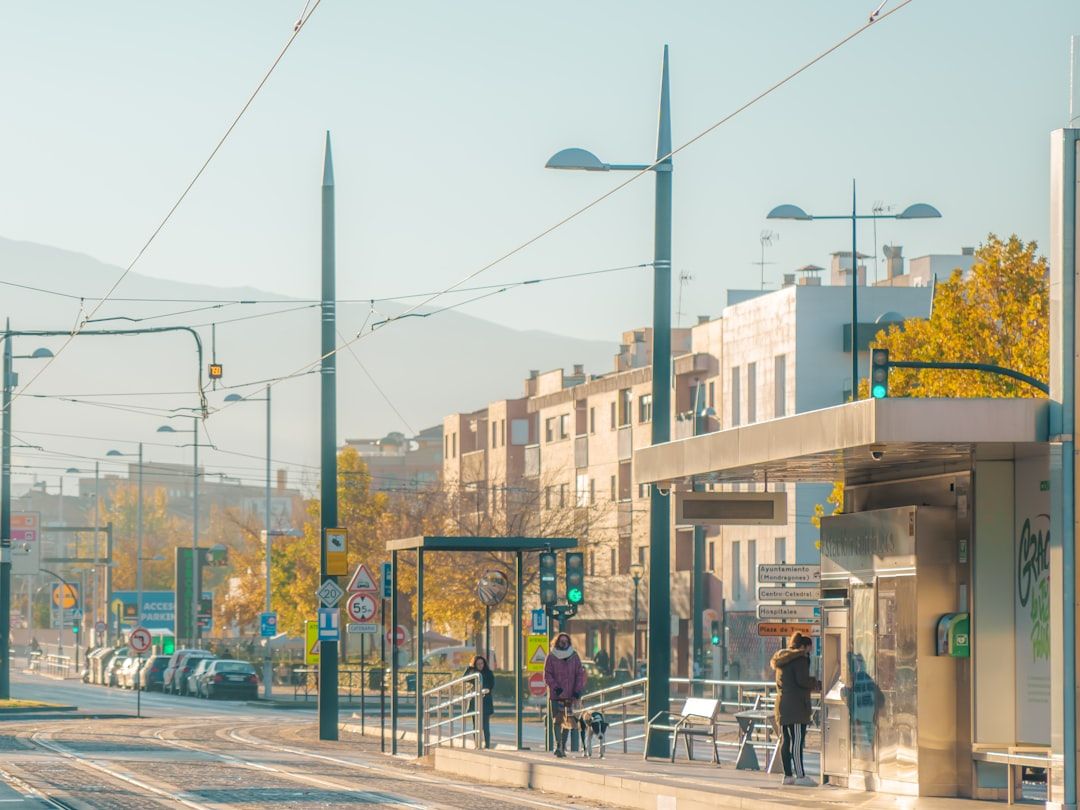
The daily breakdown, inland
| Item | Cost |
|---|---|
| Hostel dorm | €14–20 |
| Breakfast, café | €2–3 |
| Menú del día | €11–14 |
| Evening, with free tapas | €6–10 |
| Local transport | €1.50–3 |
| Total | ~€35–50 |
Thirty is achievable by cooking some meals in the hostel kitchen and walking rather than using transport, which in most Spanish city centres is easy.
The free tapa belt
The custom that makes it work.
Granada is the best known — order a drink and a substantial tapa arrives with it, unasked and unbilled. Four or five drinks over an evening is dinner.
Jaén and Almería follow the same custom, and parts of Andalusia do it inconsistently.
Elsewhere — Madrid, Seville, Barcelona — tapas are ordered and paid for like any dish.
The menú del día
Three courses with bread and a drink for €11–14, weekday lunchtimes, in ordinary restaurants everywhere.
The same food à la carte at dinner costs two or three times as much, because Spaniards eat their main meal at lunch.
A place without a menú board outside is aimed at visitors.
Where €30 works
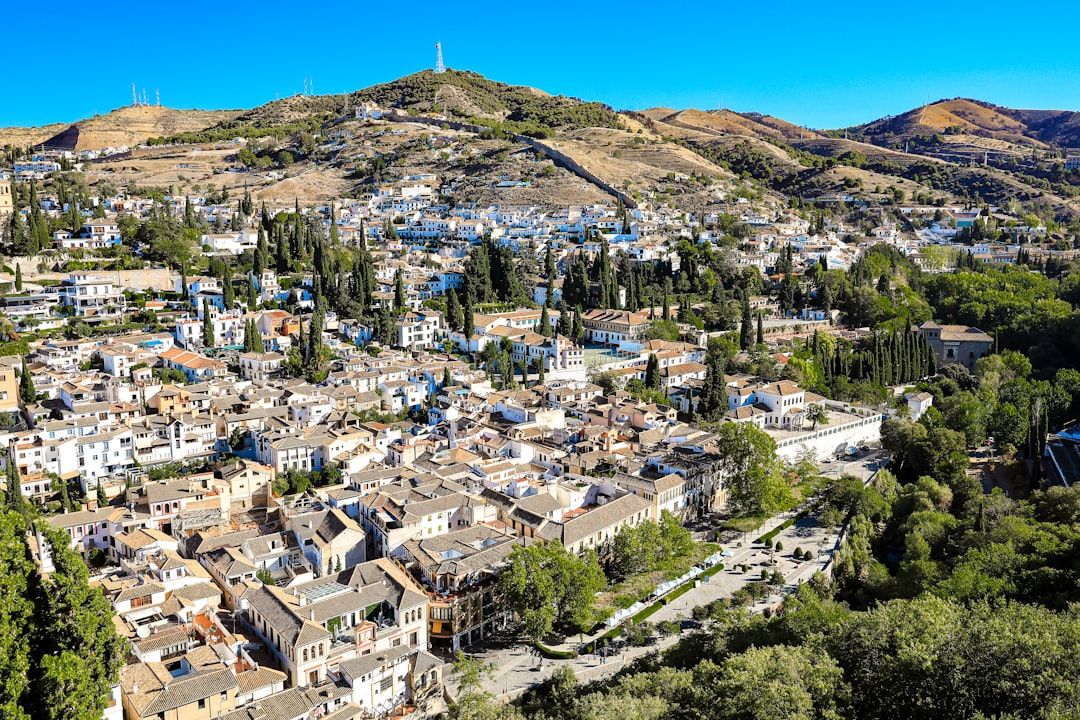
Granada — the free tapas, a student population, and cheap hostels.
Salamanca — sandstone, students, and one of the great plazas in Europe.
Cáceres — a walled medieval old town in Extremadura with almost no visitors and the lowest prices in the country.
Valladolid, Zaragoza, Murcia — real cities priced for the people who live in them.
Where it does not
Barcelona, Madrid, San Sebastián and the Mediterranean coast in summer, where a dorm bed alone frequently approaches €30.
Accommodation for one
Hostel dorms at €14–25.
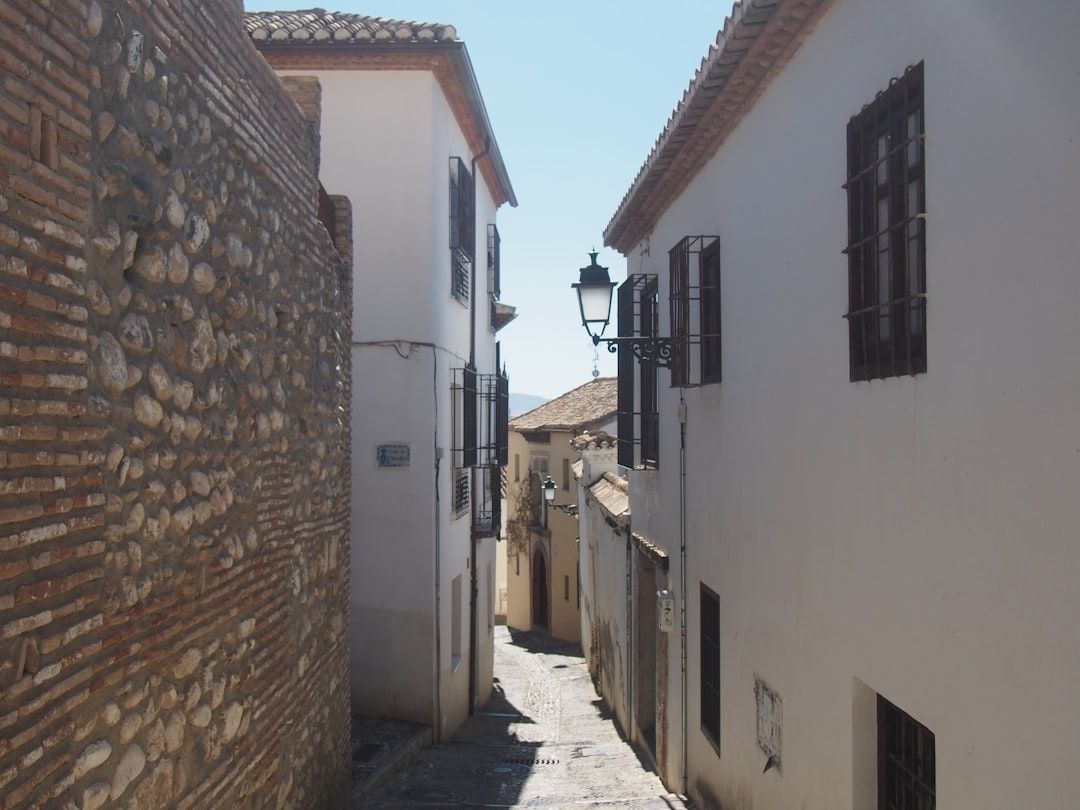
Hostales — small family-run guesthouses with private rooms, frequently with genuine single rooms at €30–50. This is a different thing from a backpacker hostel and is unusually good value for a solo traveller.
Pensiones, simpler and cheaper still.
Getting between cities
Buses (ALSA and regional operators) cost roughly half the train for a few extra hours.
Trains booked two to eight weeks ahead compete, and Ouigo and Iryo undercut Renfe substantially on the main corridors — compare all three plus the bus.
BlaBlaCar ridesharing is widely used and is frequently cheapest.
Free museum hours
Many Spanish museums are free in the final hours of the day or on specific afternoons — the Prado and Reina Sofía among them.
Times change, so check current schedules. Done consistently this saves €15–20 a day.
The one thing worth breaking the budget for
The Alhambra — book weeks ahead, it sells out, and there is no cheap alternative.