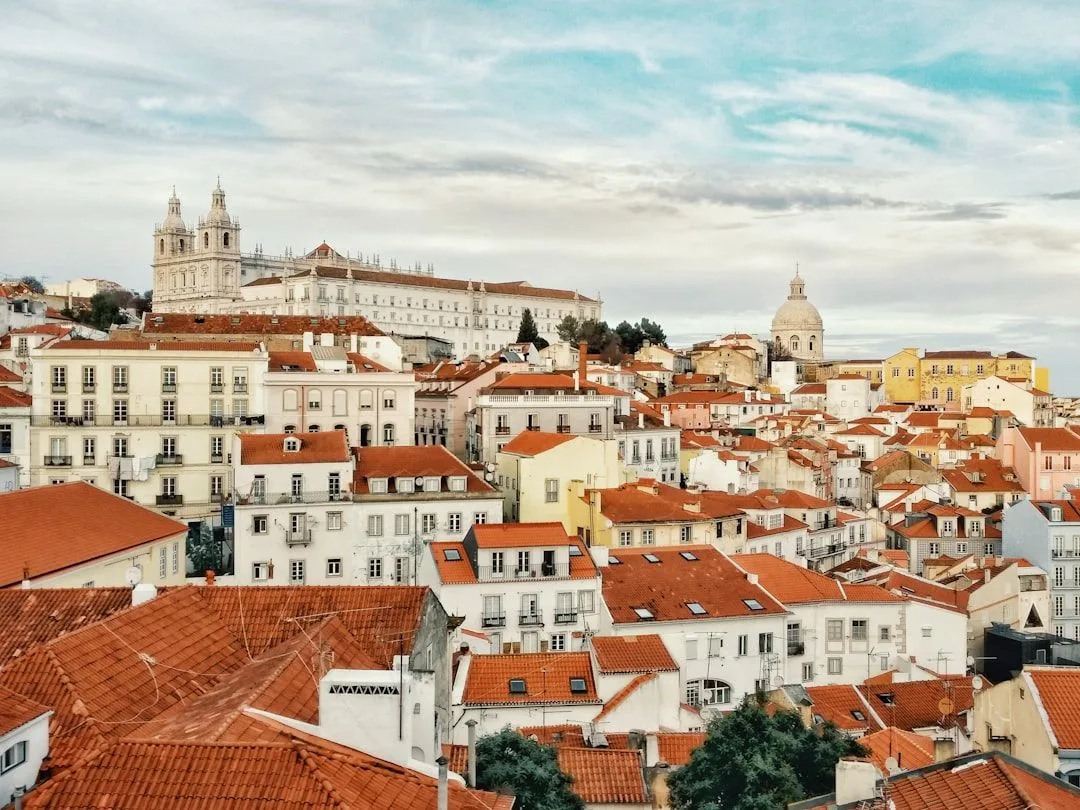
Lisbon and Porto have risen sharply in price and are no longer the bargain that built Portugal's reputation. The country is still excellent value — elsewhere.
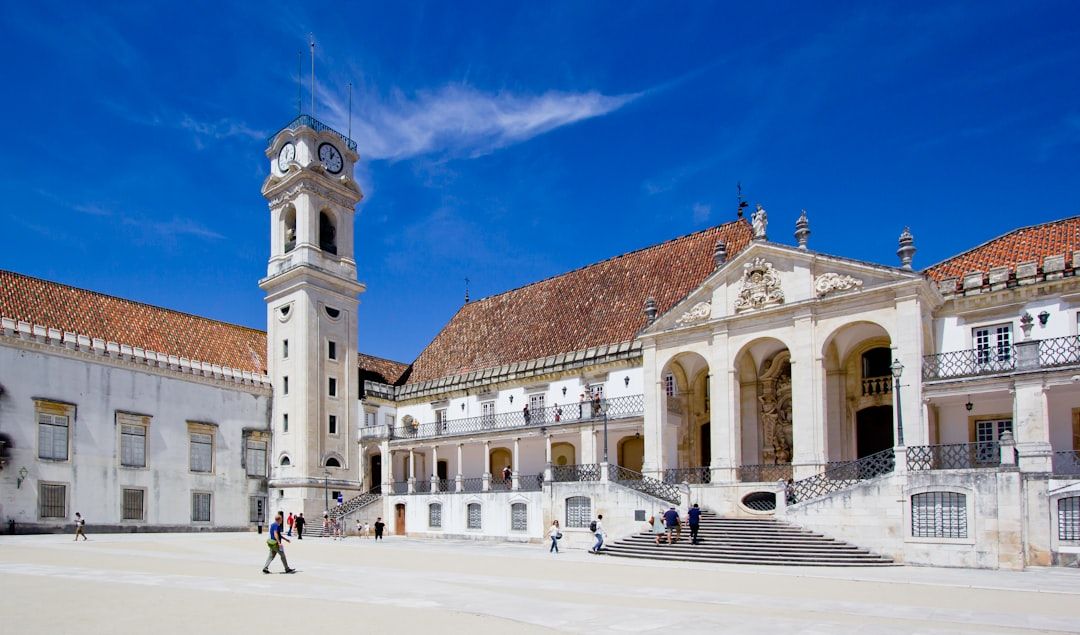
1. Coimbra
A university city since 1290, on a hill above the Mondego, with a large student population and correspondingly low prices.
The Joanina library alone is worth the visit, and the city is small enough to learn in two days.
Central for the whole country by train, which makes it a good base.
2. Aveiro
Canals, art nouveau buildings, a lagoon and the coast at Costa Nova with its striped houses.
Small, cheap, and with a student population that keeps it lively out of season.
3. Ericeira
A World Surfing Reserve with a concentration of breaks in a short stretch of coast, 45 minutes from Lisbon.
Surf camps here are among the most reliably social formats in travel — everyone arrives alone, shares accommodation and meals, and spends the days learning the same thing badly.
A week is the standard unit and no experience is needed.
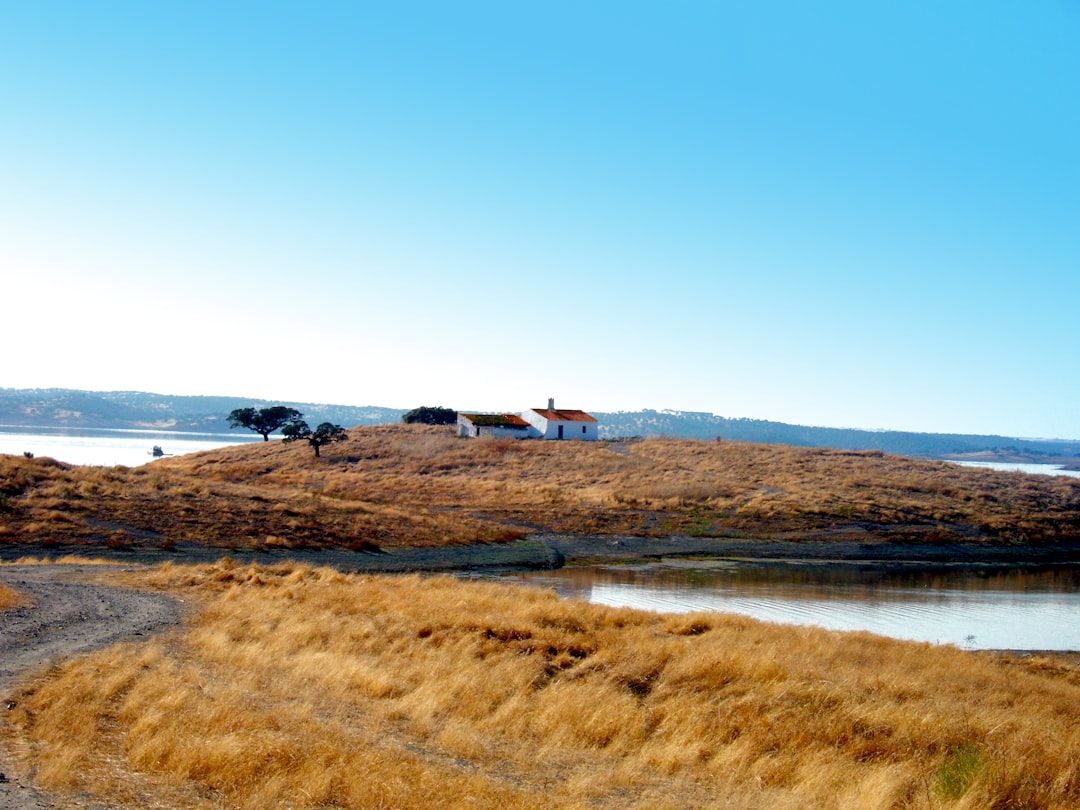
4. Évora and the Alentejo
A walled Roman and medieval town with a temple in the middle of it, surrounded by cork oak and wheat.
The Alentejo is the emptiest and cheapest part of mainland Portugal, and Évora is reachable by bus from Lisbon.
5. The Rota Vicentina
The southwest coastal walking route, waymarked, with accommodation at the end of each stage.
Walkers overlap at the guesthouses, which does the social work.
Best in winter and spring, when the coast is empty and the temperature suits walking. Summer is hot and shadeless on clifftop paths.
6. The Azores
Volcanic islands in the mid-Atlantic, far less visited than Madeira.
Whale watching, hiking and canyoning are all sold per person as group activities, which suits solo travellers and removes the pricing problem.
Crater lakes, hot springs, and mild wet weather year round. Flights from Lisbon are short and frequent.
Pico, Portugal's highest mountain, requires a registered ascent.
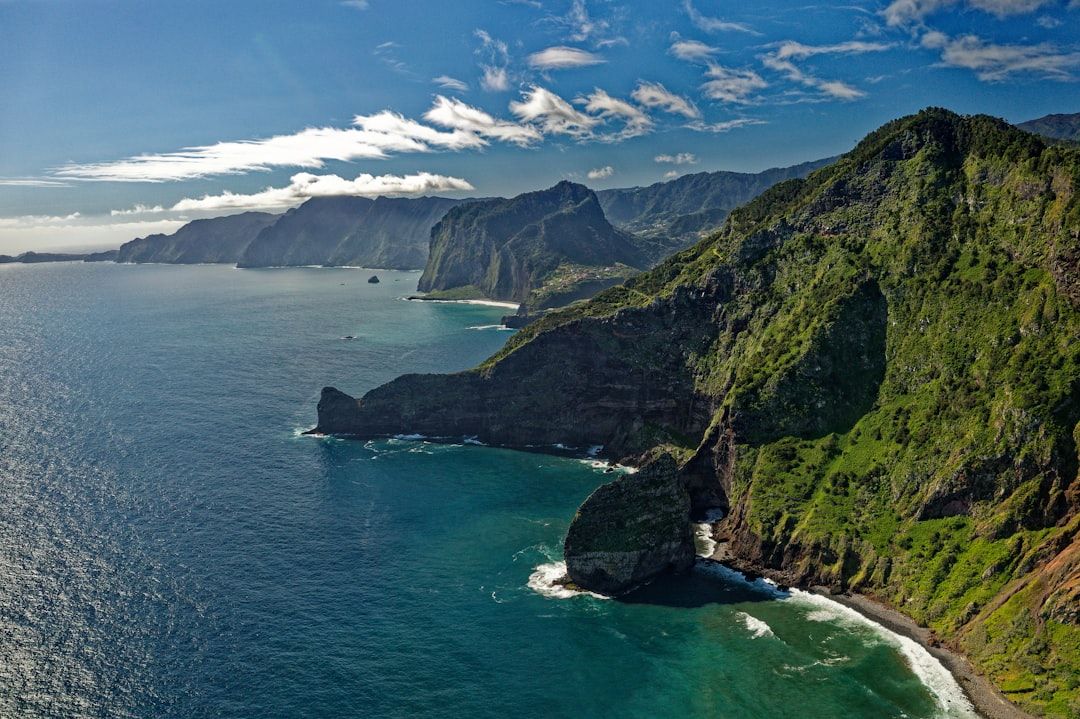
7. Madeira
The levada walks — paths alongside irrigation channels contouring around the mountains, largely level, and one of the best walking networks in Europe.
A head torch is essential on several, which pass through unlit rock tunnels running hundreds of metres.
Some involve exposed sections with cables; routes are graded and the grading is worth reading.
Mild year round, and Funchal has hostels.
What these have in common
| Feature | Why it suits solo |
|---|---|
| Student populations | Cheap, year-round social life |
| Group activities | Priced per person |
| Walking routes | Shared direction, repeated faces |
| Reachable by bus or short flight | No car needed |
Practical
The national coach network reaches all of these on the mainland cheaply.
Hostels exist in Coimbra, Aveiro, Évora, Funchal and Ponta Delgada.
Ask about heating for a winter stay — Portuguese buildings frequently have none.